Jeremy A. Lauer — Economist, Entrepreneur, Writer
I am an economist, entrepreneur and writer interested in how societies use their resources, institutions and technologies to improve human flourishing.
I studied mathematics and philosophy at St. John's College in Annapolis before graduate training in economics at the University of Wisconsin–Madison, where I concentrated on micro- and macroeconomics, econometrics, producer theory, industrial organization and institutional economics. I subsequently worked in clinical research in the Department of Neurosurgery at Johns Hopkins School of Medicine before moving to Geneva.
In 1995 I joined the World Health Organization in Geneva and stayed for 25 years. While working there full-time, I earned a PhD in Health Policy and Management from Erasmus University Rotterdam, deepening an interest in how health systems work, how we evaluate them, and how evidence can inform difficult choices. Over that period I led country-implementation teams on resource allocation in Ghana, Costa Rica, Colombia, Peru, Mexico and Brazil. The work at WHO evolved from health-system performance measurement through mathematical and population modelling, economic evaluation and priority setting, and later into health financing, health-workforce economics, fiscal policy and health taxes, health-system governance, and the relationship between health and economic growth.
Much of what I learned at WHO, though, was not technical. For seven years, from 2013 to 2019, I served as an Assistant Secretary of Committee A, the World Health Assembly's principal committee for technical and policy matters, working at the intersection of policy, diplomacy and intergovernmental decision-making, supporting negotiations among Member States and helping the Assembly conduct its principal policy business under Directors-General Margaret Chan and Tedros Adhanom Ghebreyesus.
During the 2014–15 West African Ebola epidemic I was one of the few HQ staff to volunteer to deploy to Guinea as part of the international response. In Kindia District I carried out rapid assessments of response coordination and operational risk and advised national and international authorities. It sharpened an interest that has stayed with me: community engagement, health systems in society, and the problem of coordinating collective action under uncertainty.
Working inside international institutions changed how I think about collective action. Mere technical knowledge and resources are rarely sufficient; institutions must also coordinate people, incentives, organizations and complex operations. Where this does not happen, policies and analysis remain little more than ideas.
After leaving WHO in 2020 I became Professor in the Department of Management Science at Strathclyde Business School in Glasgow, where my research and teaching covered health economics, economic evaluation, health policy, innovation and implementation.
More recently my work has concerned questions at the intersection of fields: economics, technology, institutions, public value and human flourishing, including what happens when certain forms of cognitive capability become radically cheaper, and how such capabilities can translate into actual improvements in human wellbeing.
These days I am particularly interested in the gap between what is possible, what is valuable, and what actually gets done.


A few photographs

Adventure 
Play 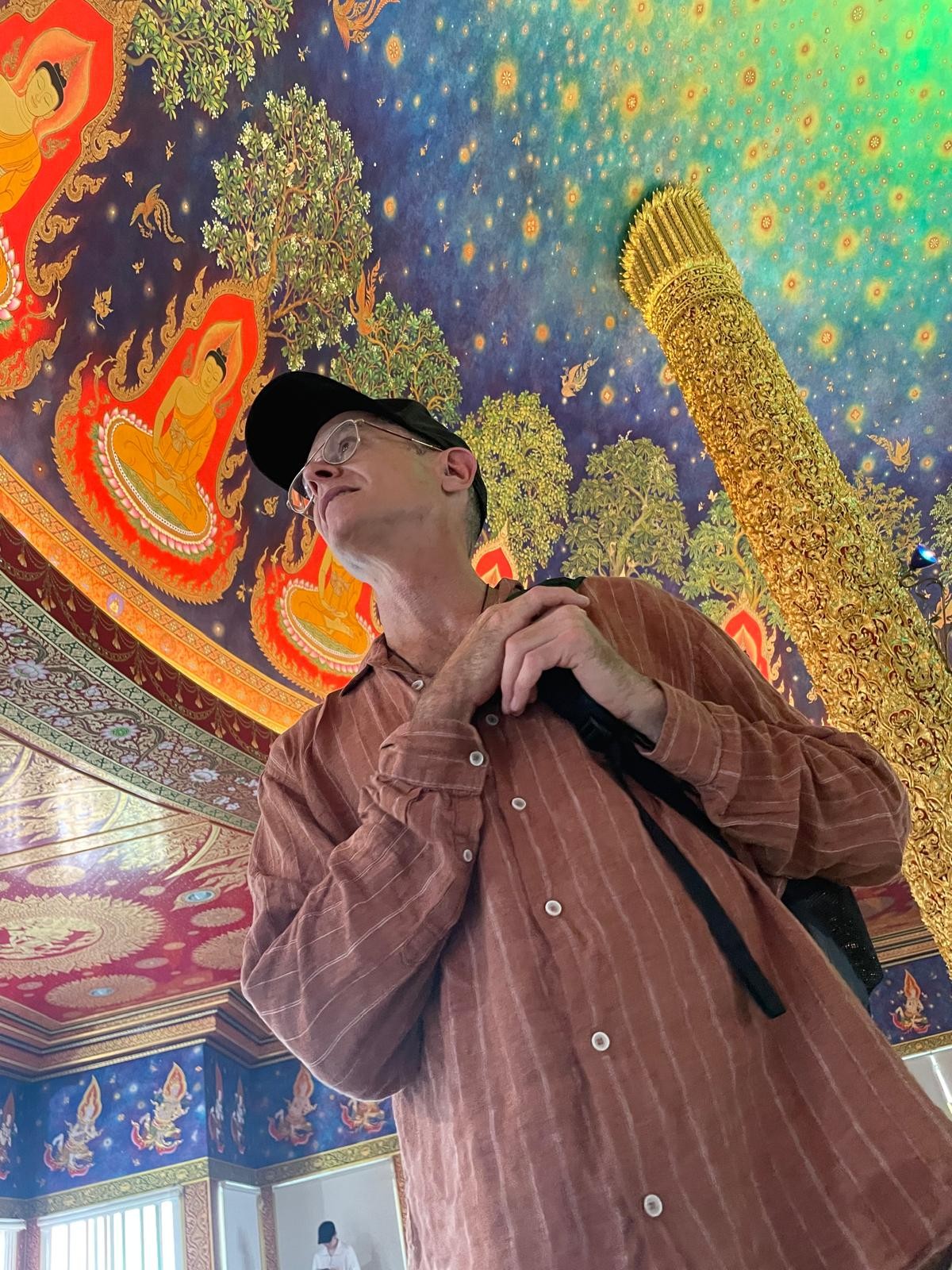
Discovery 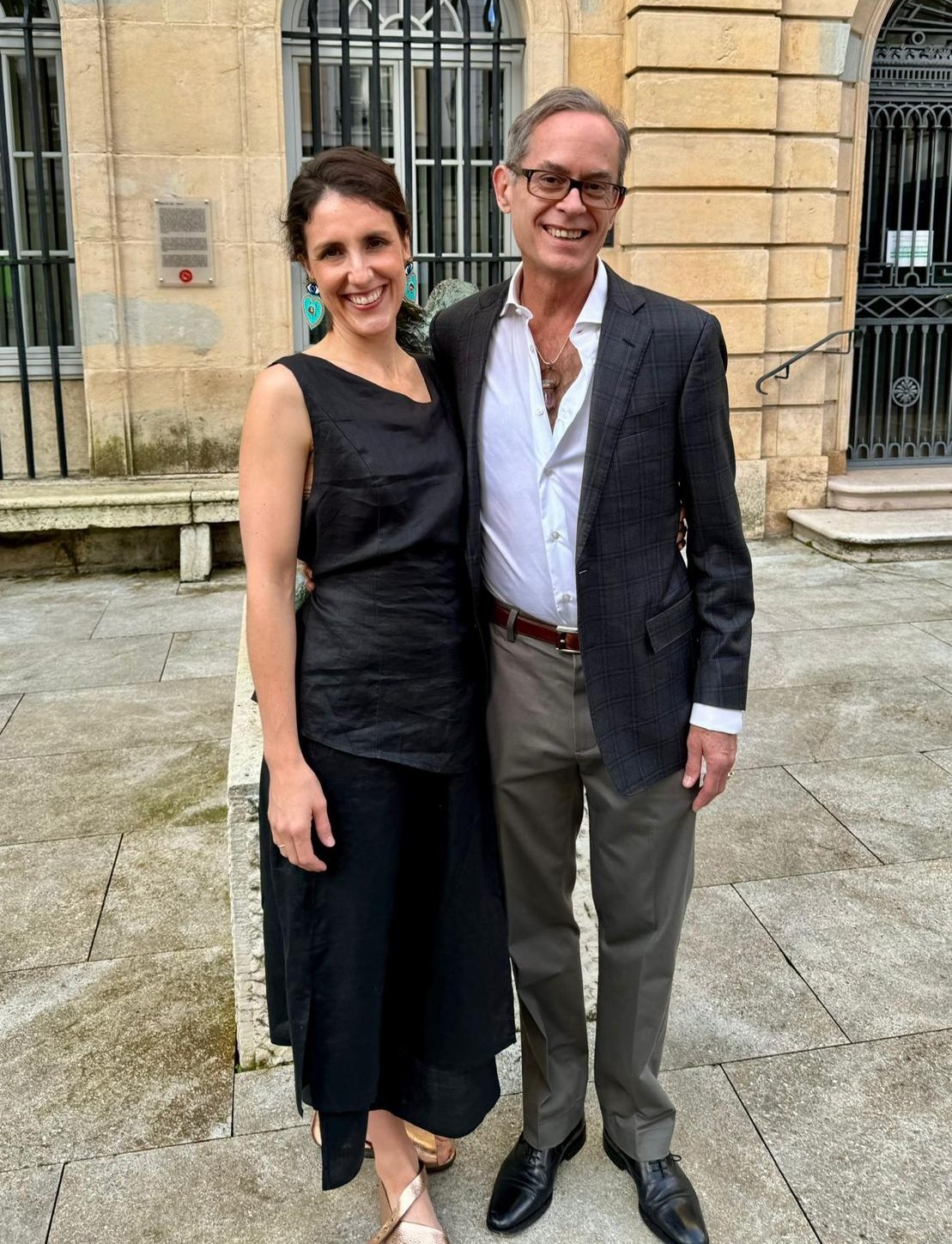
Connection 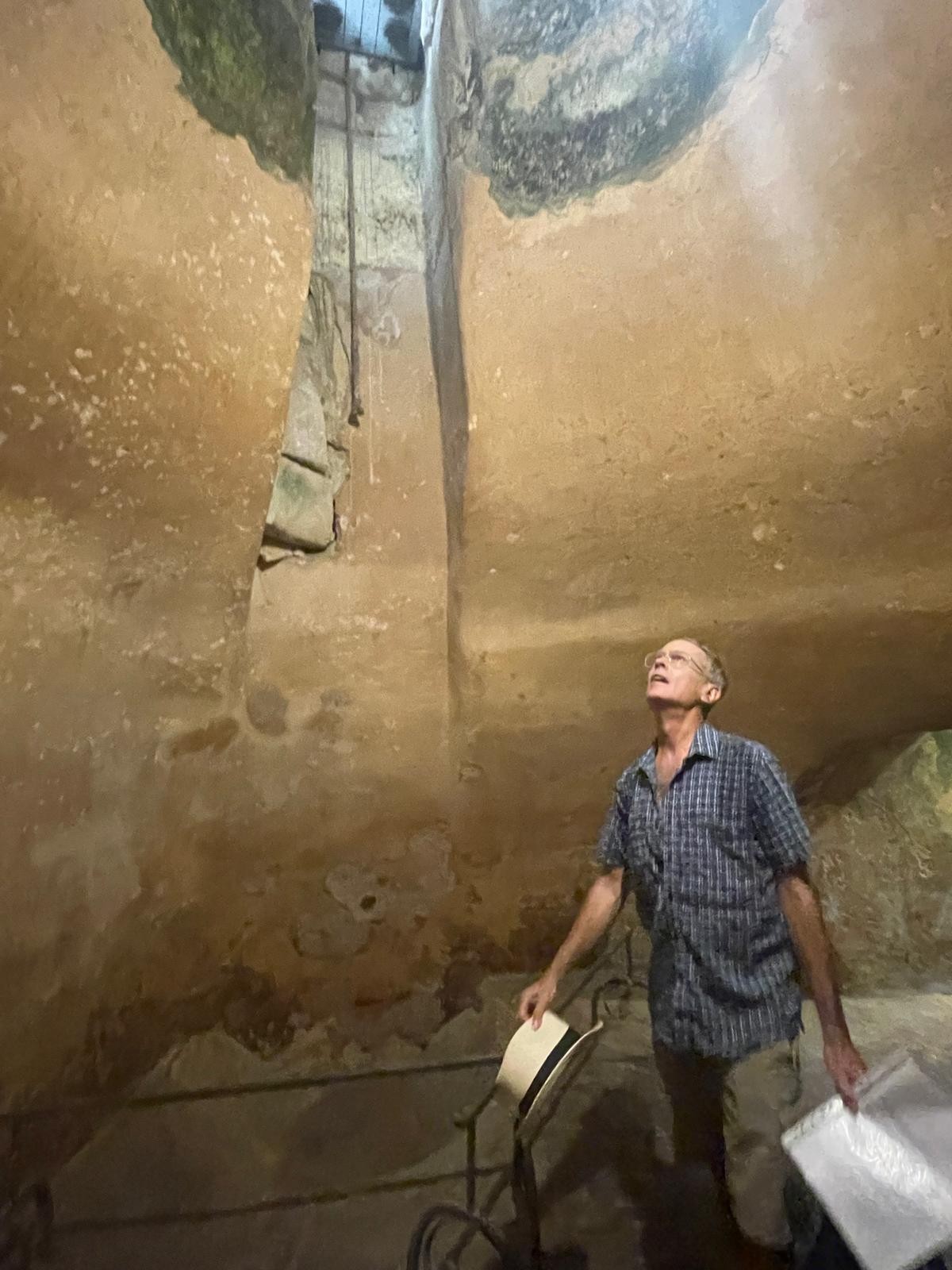
Wonder 
Humour
Current work
Unexia
Co-founder. Developing approaches to identifying, measuring and financing impact, and to coordinating the actors needed to produce it.
United Health Futures
Co-founder and Chair. Working on health economics and development internationally.